
How to Choose Eco-Friendly Kids Clothes in Australia
Why Choose Eco-Friendly Clothing
Considering eco-friendly clothing for your family is more crucial than ever. Not only because it's a trend, but because the choices we make today impact the future. By choosing eco-friendly fabrics, you are making a statement about your values and ensuring that future generations can enjoy the fresh air at the Royal Botanic Gardens Victoria. From the environmental angle, eco-conscious clothing practices are vital for preserving the planet for our little ones.
Incorporating eco-friendly options such as organic cotton can directly contribute to reducing pollution and conserving water. Moreover, these fabrics are generally softer and safer, which is particularly important for kids clothes. Gentle materials ensure fewer skin allergies and a comfortable wear, making every day at school an itch-free experience for Mia's kids.
Beyond environmental and health benefits, investing in sustainable clothing aligns with your personal values. Parents like you, passionate about educational equity and cultural inclusivity, may also find it easier to support brands echoing these principles. Sustainable fashion opens the door to diversity, offering a wide range of womens jeans and kids swimwear options that meet ethical standards. All these factors together create a holistic approach to shopping that supports a fairer and more sustainable world.
Eco-Friendly Materials for a Sustainable Wardrobe
Organic Cotton Essentials
In the realm of maternity clothes, organic cotton stands out as a popular choice, celebrated for its softness and environmental benefits. When selecting garments made from this material, I always consider its minimal impact on our surroundings. Organic cotton is grown without harmful chemicals, preserving both soil and water quality. Furthermore, it’s gentle on sensitive skin, making it ideal for children's clothing as well.
Benefits of Bamboo Fabric
Whilst exploring materials for eco-friendly clothing, I've found bamboo fabric to be incredibly versatile and sustainable. It's naturally antibacterial, moisture-wicking, and incredibly soft, offering a cosy alternative for boys swimwear and everyday wear. Bamboo grows rapidly without the need for pesticides or irrigation, making it a fantastic renewable resource. Plus, it absorbs more carbon dioxide than many other plants, which contributes positively to our environment.
Exploring Recycled Materials
Recycled materials play a pivotal role in reducing waste and supporting a sustainable fashion industry. When I browse racks or online selections, I look for garments made from recycled polyester or other upcycled materials. These innovative fabrics transform discarded plastics into functional and fashionable clothing, helping to decrease landfill waste. Being mindful of what we choose not only benefits our wardrobes but also our planet.
Local initiatives around places like the Royal Botanic Gardens Victoria offer workshops, introducing creative ways to incorporate sustainable practices into everyday life. These gatherings help connect us with a community that shares similar values on sustainability. It’s always inspiring to see how choosing the right materials can align with our broader commitment to environmental consciousness.
Practical Shopping Tips
Online Shopping Strategies
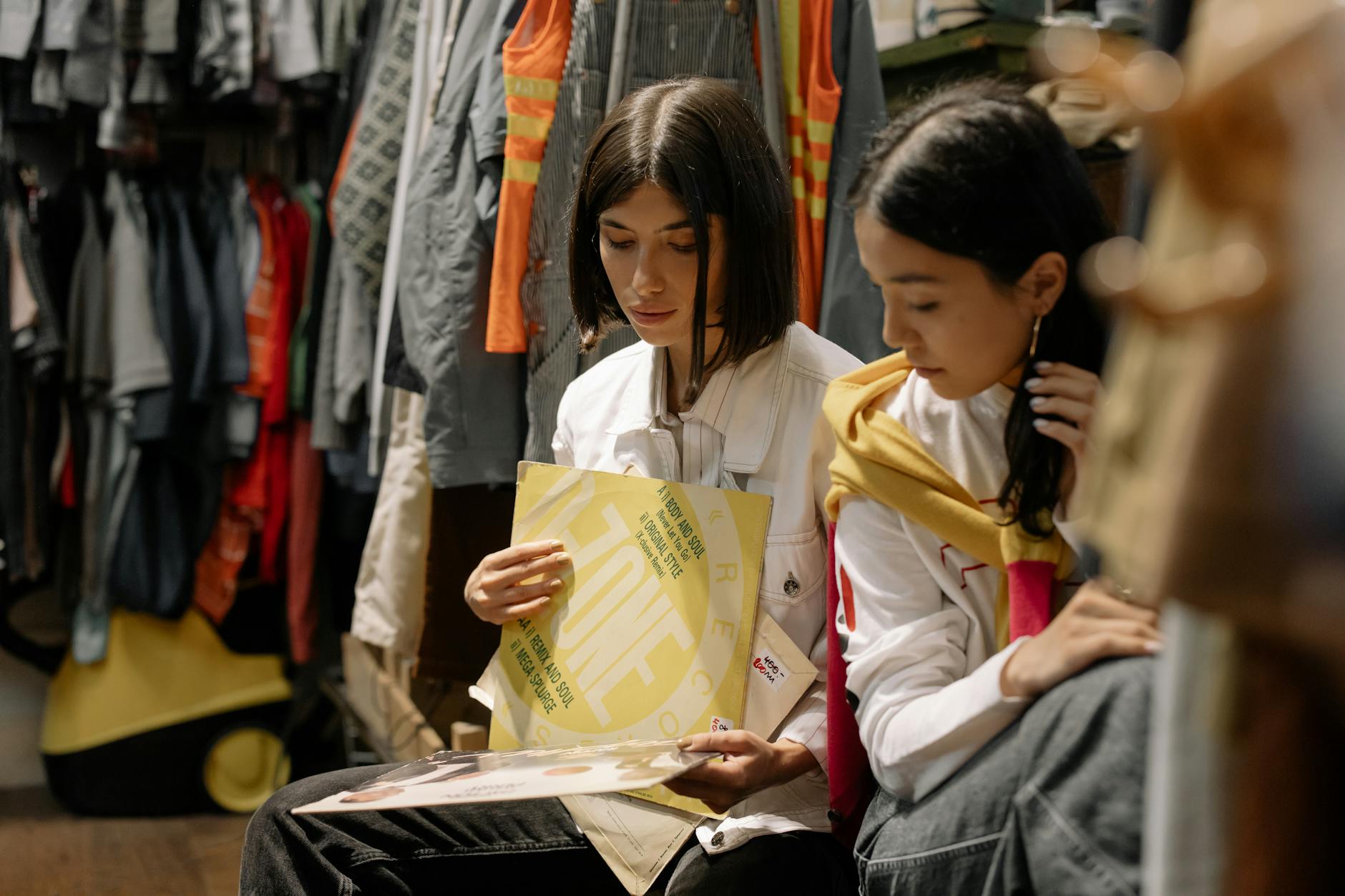
When navigating the vast realm of online shopping for eco-friendly kids' clothes, starting with a plan is essential. Identify websites that showcase a variety of sustainable options, particularly those focusing on ethical practices with reliable certifications. Consider creating a wishlist to prevent impulse purchases and keep a lookout for notifications about sales. Many parents, like those I meet during discussions on sustainable fashion, appreciate features like filters for organic materials or local Australian brands. For versatility in wardrobes, integrating staple items such as plain tees with womens shorts for casual wear or play is advisable.
Finding Sales and Discounts
Moreover, are you familiar with those hidden gems in Federation Square? Much like unearthing great finds there, scoring discounts online comes with regular newsletter subscriptions and seasonal sales awareness. Subscribe to brand newsletters to receive exclusive offers right in your inbox. Timing is crucial, so mark your calendar for sales events like Cyber Monday or Boxing Day. Consider joining online communities for eco-conscious parents, where sharing sale updates is commonplace, and you might discover unexpected deals on plus size lingerie or other products you need.
Prioritising Quality Over Quantity
Lastly, as we all appreciate during engaging classroom discussions, prioritising quality over quantity makes a significant difference. Choose well-constructed garments, even if they're slightly pricier upfront. Such items last longer, reducing frequent purchasing demands and supporting a sustainable fashion practice. High-quality fabrics like organic cotton not only promise durability but also align with environmentally conscious values. As I've seen through the collaborative workshops at Scienceworks Museum, a mix of creativity and strategic planning leads to the best solutions, whether in education or daily shopping decisions.
Practical Shopping Tips
Online Shopping Strategies
Shopping online has completely transformed the way we approach fashion for kids. As a parent eager to explore eco-friendly options, finding plus size clothing online is not just convenient but also offers a broader selection that often isn't available in-stores. Start by setting up filters on retail sites to prioritise items made from sustainable materials. It's beneficial to subscribe to newsletters of ethical brands, which often highlight exclusive deals and new arrivals. Consider joining sustainable fashion forums that Mia might engage with, seeking community advice on trustworthy sites.
Finding Sales and Discounts
Who doesn’t love a good sale, especially when children's clothes seem to be forever shrinking? Take the time to follow your favourite eco-friendly brands on social media, where they often announce sales and discounts first. Keyword alerts can help you catch the ideal girls dresses on sale. Setting aside time to visit these online shops during off-peak seasons can be an excellent way to snag some discounts. Check if the brand has loyalty programs or referral bonuses, as these can significantly add up over time.
Prioritising Quality Over Quantity
The allure of buying multiple affordable items is tempting, but prioritising quality over quantity has long-term benefits. Sustainable fashion is rooted in this very philosophy. Opting for durable, eco-friendly clothing often results in garments that can be passed down or easily resold, aligning with your values. While a single high-quality piece may initially cost more, it stays functional and stylish much longer, reducing waste and eventually lightening your financial load.
Best Practices
Engaging Kids in Sustainability
One of the greatest gifts we can offer our kids is an understanding of sustainability. Start by exploring nature walks at the Royal Botanic Gardens Victoria, pointing out the unique plants and how they contribute to our ecosystem. Engage them in activities that highlight the impact of fashion on the environment, perhaps at a weekend workshop at the Scienceworks Museum. By weaving lessons about sustainability into daily life, we not only educate but inspire lifelong respect and care for our planet.
Extending Clothing Lifespan
Resilience in clothing is as essential as the lessons we share with our kids. To make kids' wardrobes last longer, opt for durable materials like organic cotton. Consider methods such as patching up small tears or sewing on a new button, which are valuable skills in resourcefulness. Restoring clothes instead of discarding them can also be a wonderful shared activity—an opportunity to change up clothes with some fabric paint or iron-on patches during a stay at the vibrant Federation Square.
Donating and Recycling Options
Finally, as clothes are outgrown or no longer needed, think about giving them new homes rather than sending them to the landfill. Donating to local charities or hosting a swap with fellow parents are fantastic eco-friendly ways to refresh your kids' wardrobes. Be sure to check if there are any recycling initiatives in your area, allowing you to dispose of clothing in an environmentally responsible manner. By taking these steps, you're not just reshaping your children's perception of fashion, but also contributing to a broader culture of eco-conscious living.